
The Converging Threat Landscape
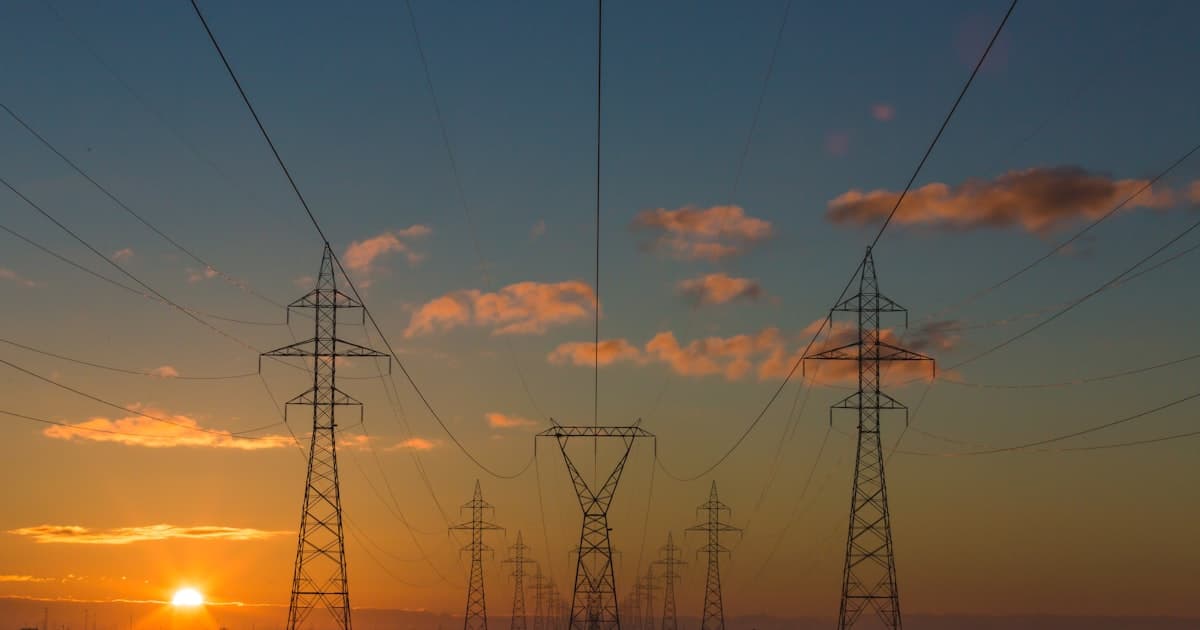
Energy infrastructure, power grids, pipelines, refineries, and renewable generation facilities, sits at the intersection of two historically separate technology domains: information technology (IT) and operational technology (OT). IT manages data, communications, and business systems. OT manages physical processes: opening valves, controlling turbines, monitoring pressure levels, and distributing electricity.
For decades, these domains operated independently. OT systems were air-gapped, proprietary, and managed by engineers rather than IT professionals. That separation provided a form of security through isolation. But the push for operational efficiency, remote monitoring, and data-driven optimization has connected OT systems to IT networks and, by extension, to the internet. This convergence has created an attack surface that neither traditional IT security nor traditional OT engineering is fully equipped to defend.
Why Energy Is Different
Cybersecurity in the energy sector differs from enterprise cybersecurity in several critical ways:
Safety implications are physical. A compromised email server is a business disruption. A compromised industrial control system can cause explosions, environmental contamination, or widespread power outages. The stakes are fundamentally different.
Availability trumps confidentiality. In enterprise IT, the classic CIA triad (confidentiality, integrity, availability) often prioritizes confidentiality. In OT environments, availability is paramount. A control system that goes offline for patching at the wrong moment can cause cascading failures.
Legacy systems have long lifecycles. Enterprise IT refreshes hardware every 3 to 5 years. Industrial control systems may operate for 15 to 25 years. Many active SCADA systems run on operating systems that no longer receive security updates.
Patching is operationally complex. You cannot simply push a security patch to a system controlling a live chemical process. Patches must be tested in representative environments, scheduled during maintenance windows, and validated against safety requirements.
The Regulatory Framework
Energy sector cybersecurity operates within an evolving regulatory landscape:
- NERC CIP (North American Electric Reliability Corporation Critical Infrastructure Protection) standards apply to bulk electric system operators
- TSA Security Directives now cover pipeline operators following the Colonial Pipeline incident
- NIST Cybersecurity Framework provides voluntary but widely adopted guidance
- IEC 62443 offers international standards for industrial automation and control system security
- CISA advisories provide ongoing threat intelligence specific to industrial control systems
Practical Defense Strategies
Network Segmentation and Monitoring
The Purdue Model, which defines hierarchical zones from enterprise IT down to physical process control, remains the foundational framework for OT network architecture. Implementing it in practice means:
- Establishing demilitarized zones (DMZs) between IT and OT networks
- Deploying unidirectional security gateways where data needs to flow from OT to IT but not the reverse
- Monitoring east-west traffic within OT networks for anomalous communication patterns
- Maintaining network asset inventories that account for every connected device
OT-Specific Threat Detection
Traditional IT security tools, antivirus, endpoint detection and response (EDR), SIEM systems, often do not work in OT environments. They may not support the operating systems in use, they can introduce latency that disrupts real-time control processes, and they generate alerts that OT operators do not know how to interpret.
OT-specific security monitoring tools understand industrial protocols (Modbus, DNP3, OPC UA) and can detect anomalies at the process level: unexpected setpoint changes, unusual command sequences, or communication with unauthorized devices.
Incident Response Planning
Incident response in energy environments must account for scenarios that enterprise IR plans do not consider:
- Safe shutdown procedures that prevent physical damage during a cyber event
- Manual operation fallback for critical systems when automated controls are compromised
- Coordination with regulatory bodies (CISA, sector-specific ISACs) during active incidents
- Recovery procedures that verify system integrity before returning to automated operation
Supply Chain Security
Energy infrastructure depends on hardware and software from a complex global supply chain. Compromises at the vendor level, as demonstrated by the SolarWinds incident, can bypass all perimeter defenses. Key supply chain security practices include:
- Vendor security assessments as part of procurement processes
- Software bill of materials (SBOM) requirements for control system components
- Verification of firmware and software integrity before deployment
- Ongoing monitoring for vulnerabilities in deployed vendor products
Building an OT Security Program
For energy organizations building or maturing their OT security programs, we recommend this prioritized approach:
The Path Forward
Protecting energy infrastructure is not a problem that any single organization solves alone. It requires collaboration across the sector: sharing threat intelligence through ISACs, participating in government-industry partnerships, and investing in workforce development to build the rare professionals who understand both cybersecurity and industrial control systems. The threat landscape will continue to evolve, and our defenses must evolve with it.
Tags
EaseOrigin
Published by EaseOrigin LLC